 GymPlan AI
Single Dumbbell Raise
Single Dumbbell Raise is a beginner isolation dumbbell exercise that mainly works your shoulders, with help from your forearms and traps.
How to do the single dumbbell raise
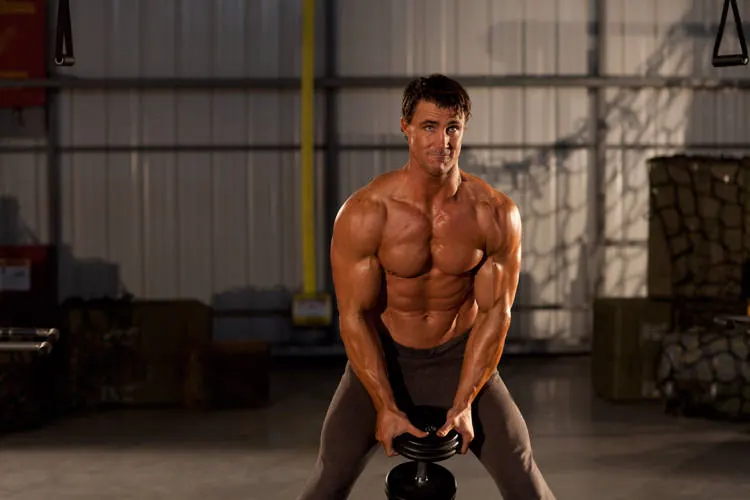
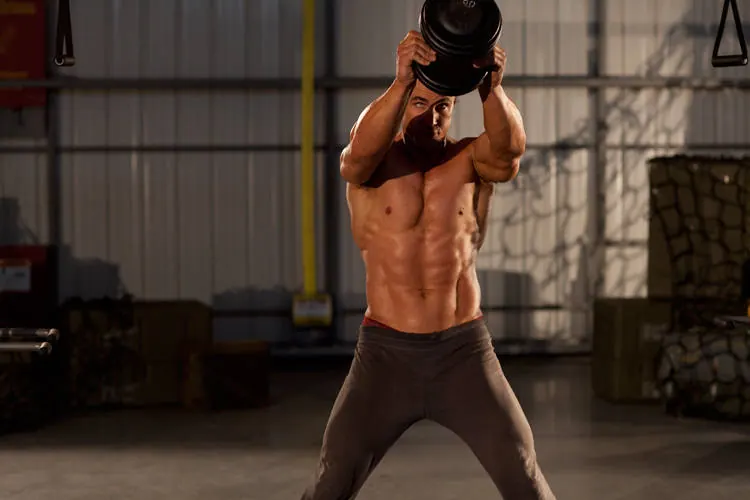
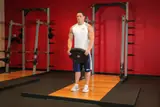
- With a wide stance, hold a dumbell with both hands, grasping the head of the dumbbell instead of the handle. Your arms should be extended and hanging at the waist. This will be your starting position.
- Raise the weight until it is above shoulder level, keeping your arms extended. Your torso and hips should remain stationary throughout the movement.
- Return to the starting position and repeat for the recommended amount of repetitions.
Muscles worked
Sets and reps
Do 3 sets of 10-15 reps with 60-90 seconds of rest, using a weight you can control through the full range. Add reps first, then weight.
Track your single dumbbell raise with GymPlan AI
Log every set in seconds, see your progress on charts, and ask the AI coach to build a plan around your goals and equipment. 7 days free, no card needed.
Start your free trialSingle Dumbbell Raise alternatives
Exercises that train the same main muscle, including options with other equipment.
 Lateral RaiseDumbbell · Beginner
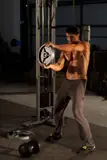 Car DriversBarbell · Beginner
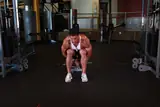 Cable Lateral RaiseCable · Beginner
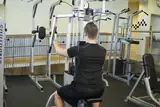 Reverse Machine FlyesMachine · Beginner
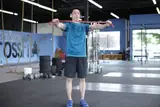 Band Pull ApartBand · Beginner
 Front Plate RaiseOther · Intermediate
FAQ
What muscles does the single dumbbell raise work?
It mainly works your shoulders; your forearms and traps assist.
How many sets and reps of single dumbbell raise should I do?
Do 3 sets of 10-15 reps with 60-90 seconds of rest, using a weight you can control through the full range. Add reps first, then weight.
Is the single dumbbell raise good for beginners?
Yes. It is a beginner-friendly movement: start light and focus on the form steps above.