 GymPlan AI
Suspended Row
Suspended Row is a beginner compound exercise that mainly works your upper back, with help from your biceps and lats.
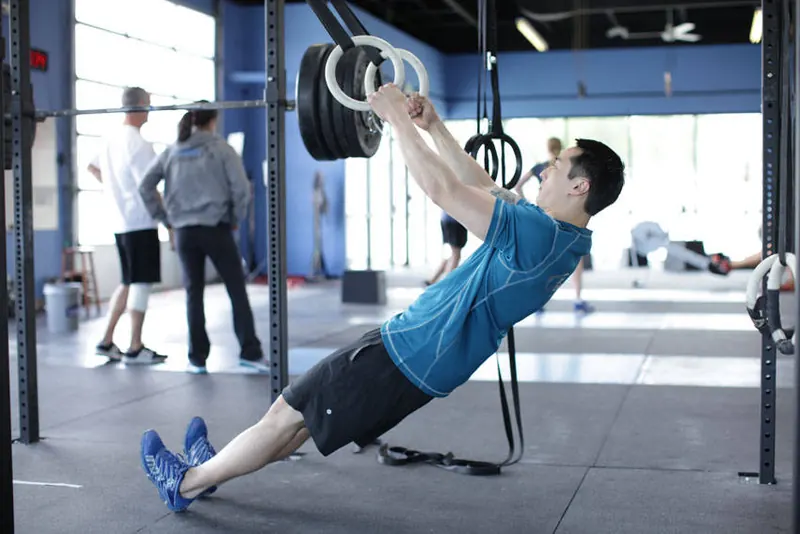
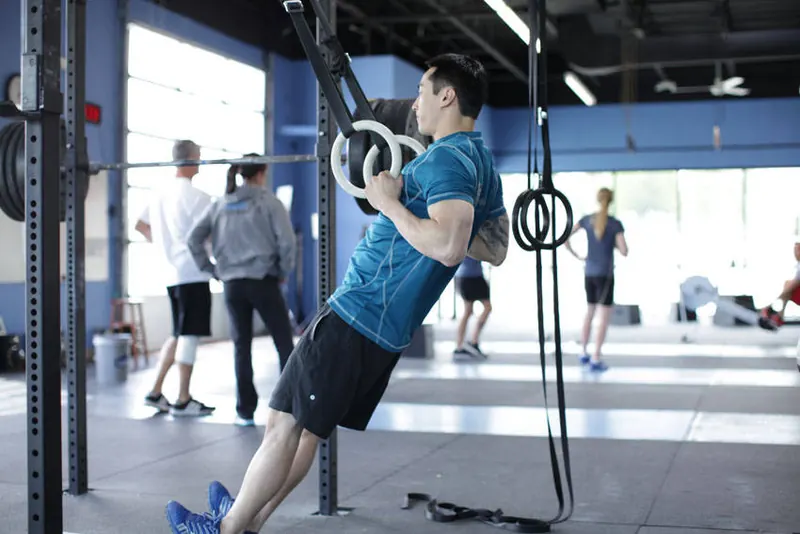
How to do the suspended row
- Suspend your straps at around chest height. Take a handle in each hand and lean back. Keep your body erect and your head and chest up. Your arms should be fully extended. This will be your starting position.
- Begin by flexing the elbow to initiate the movement. Protract your shoulder blades as you do so.
- At the completion of the motion pause, and then return to the starting position.
Muscles worked
Sets and reps
For strength, do 3-5 sets of 5-8 reps with 2-3 minutes of rest. For muscle growth, 3-4 sets of 8-12 reps with 90 seconds of rest. Add a little weight when you hit the top of the range on every set.
Track your suspended row with GymPlan AI
Log every set in seconds, see your progress on charts, and ask the AI coach to build a plan around your goals and equipment. 7 days free, no card needed.
Start your free trialSuspended Row alternatives
Exercises that train the same main muscle, including options with other equipment.
 Dumbbell RowDumbbell · Beginner
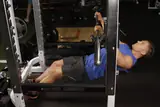 Inverted RowBodyweight · Beginner
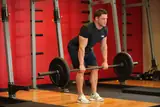 Bent Over RowBarbell · Beginner
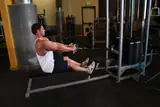 Seated Cable RowCable · Beginner
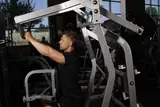 Leverage High RowMachine · Beginner
 Sled RowOther · Beginner
FAQ
What muscles does the suspended row work?
It mainly works your upper back; your biceps and lats assist.
How many sets and reps of suspended row should I do?
For strength, do 3-5 sets of 5-8 reps with 2-3 minutes of rest. For muscle growth, 3-4 sets of 8-12 reps with 90 seconds of rest. Add a little weight when you hit the top of the range on every set.
Is the suspended row good for beginners?
Yes. It is a beginner-friendly movement: start light and focus on the form steps above.