 GymPlan AI
Hip Circles (prone)
Hip Circles (prone) is a beginner isolation bodyweight stretching that mainly works your abductors (outer hips), with help from your adductors (inner thighs).
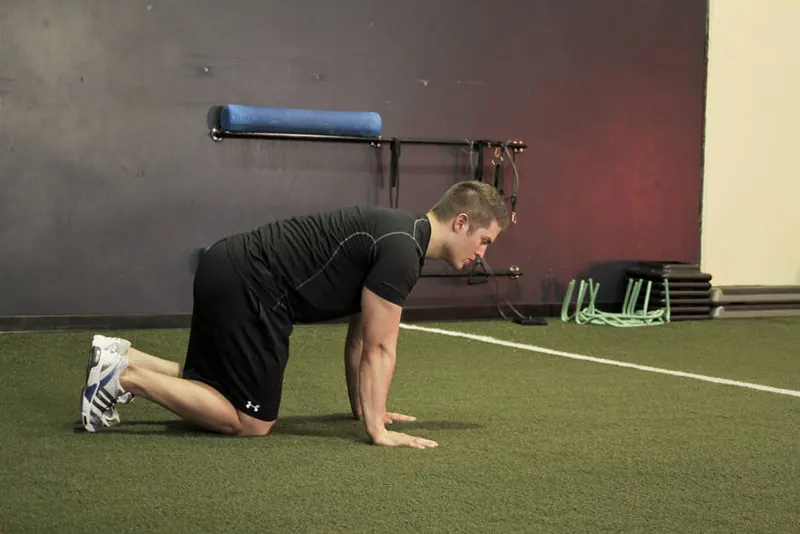
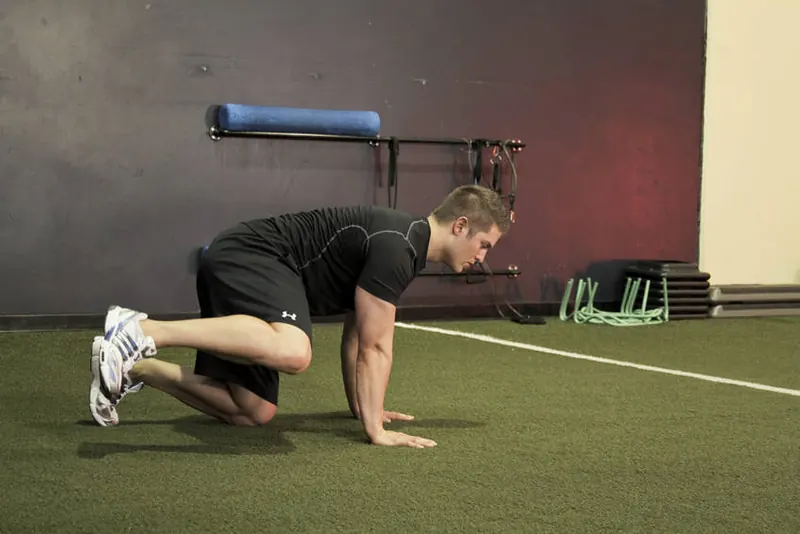
How to do the hip circles (prone)
- Position yourself on your hands and knees on the ground. Maintaining good posture, raise one bent knee off of the ground. This will be your starting position.
- Keeping the knee in a bent position, rotate the femur in an arc, attempting to make a big circle with your knee.
- Perform this slowly for a number of repetitions, and repeat on the other side.
Muscles worked
Sets and reps
Hold each stretch for 20-30 seconds without bouncing, 2-3 times per side. Stretch after training or on rest days.
Track your hip circles (prone) with GymPlan AI
Log every set in seconds, see your progress on charts, and ask the AI coach to build a plan around your goals and equipment. 7 days free, no card needed.
Start your free trialHip Circles (prone) alternatives
Exercises that train the same main muscle, including options with other equipment.
 Standing Hip CirclesBodyweight · Beginner
 Iliotibial Tract-SMROther · Intermediate
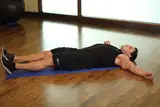 WindmillsBodyweight · Intermediate
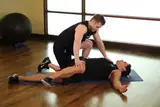 Lying CrossoverBodyweight · Expert
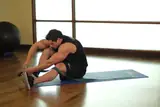 IT Band and Glute StretchOther · Intermediate
FAQ
What muscles does the hip circles (prone) work?
It mainly works your abductors (outer hips); your adductors (inner thighs) assist.
How many sets and reps of hip circles (prone) should I do?
Hold each stretch for 20-30 seconds without bouncing, 2-3 times per side. Stretch after training or on rest days.
Is the hip circles (prone) good for beginners?
Yes. It is a beginner-friendly movement: start light and focus on the form steps above.