 GymPlan AI
Chest Push (single response)
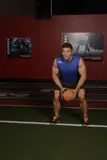
Chest Push (single response) is a beginner compound plyometrics that mainly works your chest, with help from your abs, shoulders and triceps.
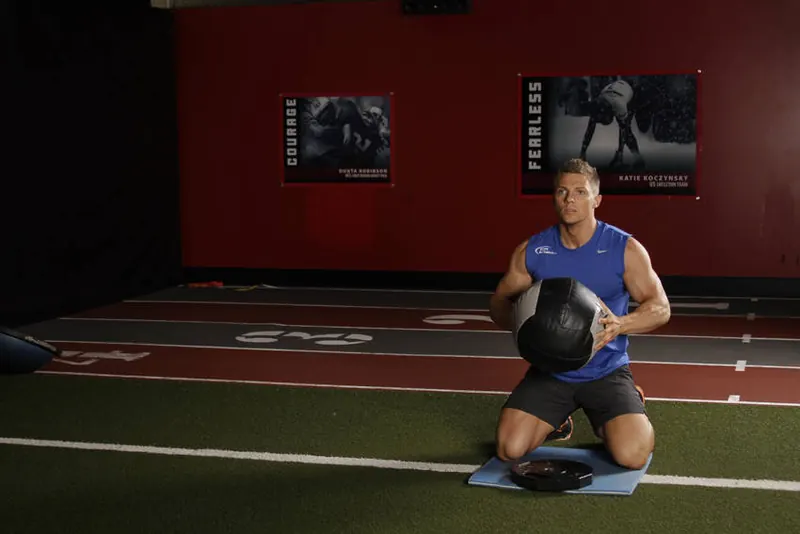
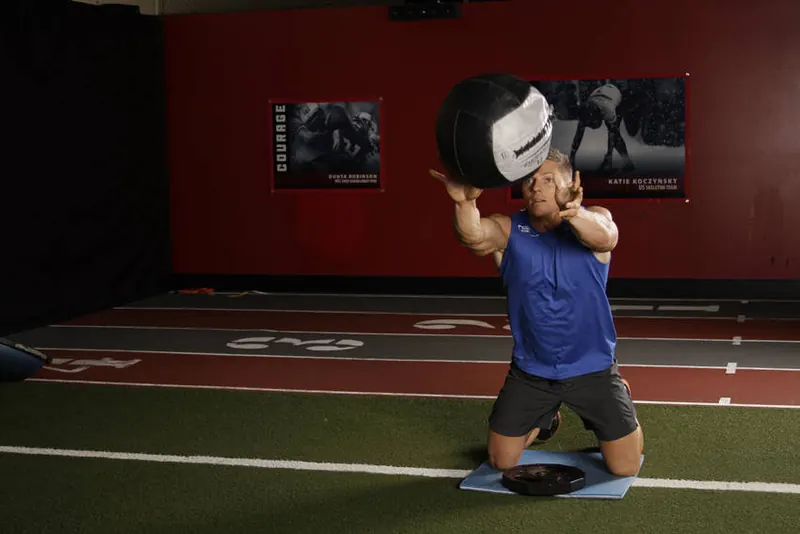
How to do the chest push (single response)
- Begin in a kneeling position holding the medicine ball with both hands tightly into the chest.
- Execute the pass by exploding forward and outward with the hips while pushing the ball as far as possible.
- Follow through by falling forward, catching yourself with your hands.
Muscles worked
Sets and reps
Do 3-4 sets of 5-8 explosive reps with full rest (60-90 seconds) between sets. Quality over quantity: stop when the reps slow down.
Track your chest push (single response) with GymPlan AI
Log every set in seconds, see your progress on charts, and ask the AI coach to build a plan around your goals and equipment. 7 days free, no card needed.
Start your free trialChest Push (single response) alternatives
Exercises that train the same main muscle, including options with other equipment.
 Isometric Chest SqueezesBodyweight · Beginner
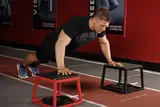 Drop PushOther · Intermediate
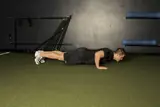 Plyo Push-upBodyweight · Beginner
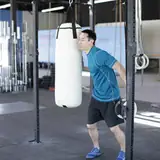 Heavy Bag ThrustOther · Beginner
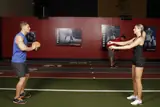 Medicine Ball Chest PassOther · Beginner
 Chest Push with Run ReleaseOther · Beginner
FAQ
What muscles does the chest push (single response) work?
It mainly works your chest; your abs, shoulders and triceps assist.
How many sets and reps of chest push (single response) should I do?
Do 3-4 sets of 5-8 explosive reps with full rest (60-90 seconds) between sets. Quality over quantity: stop when the reps slow down.
Is the chest push (single response) good for beginners?
Yes. It is a beginner-friendly movement: start light and focus on the form steps above.