 GymPlan AI
Cable Shrugs
Cable Shrugs is a beginner isolation cable exercise that mainly works your traps.
💪 Traps🏋️ Cable📈 Beginner🔗 Isolation🎯 3 sets of 10-15 reps
How to do the cable shrugs
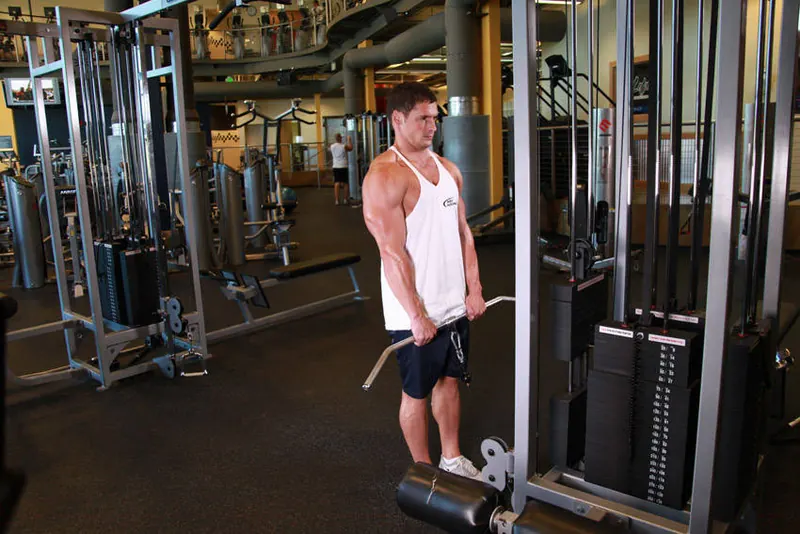
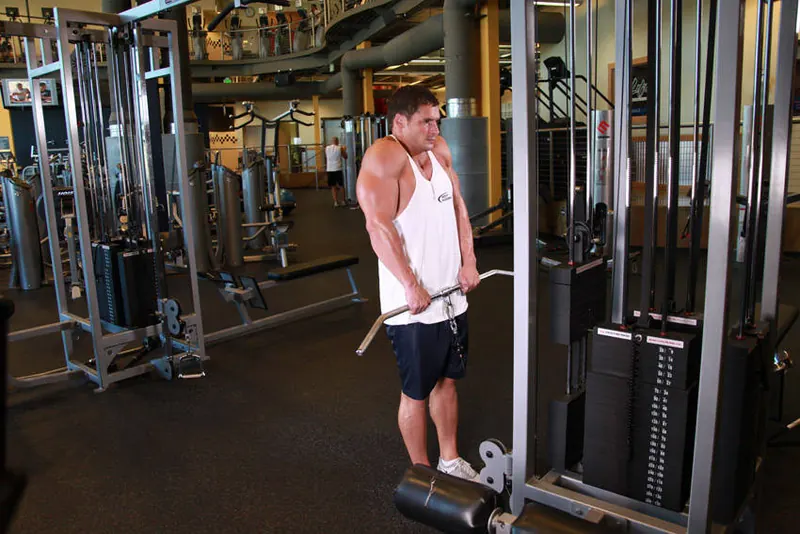
- Grasp a cable bar attachment that is attached to a low pulley with a shoulder width or slightly wider overhand (palms facing down) grip.
- Stand erect close to the pulley with your arms extended in front of you holding the bar. This will be your starting position.
- Lift the bar by elevating the shoulders as high as possible as you exhale. Hold the contraction at the top for a second. Tip: The arms should remain extended at all times. Refrain from using the biceps to help lift the bar. Only the shoulders should be moving up and down.
- Lower the bar back to the original position.
- Repeat for the recommended amount of repetitions.
Muscles worked
Primary: Traps
Sets and reps
Do 3 sets of 10-15 reps with 60-90 seconds of rest, using a weight you can control through the full range. Add reps first, then weight.
Track your cable shrugs with GymPlan AI
Log every set in seconds, see your progress on charts, and ask the AI coach to build a plan around your goals and equipment. 7 days free, no card needed.
Start your free trialCable Shrugs alternatives
Exercises that train the same main muscle, including options with other equipment.
 ShrugDumbbell · Beginner
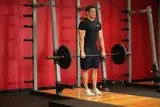 Barbell ShrugBarbell · Beginner
 Leverage ShrugMachine · Beginner
 Scapular Pull-UpBodyweight · Beginner
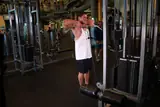 Upright Cable RowCable · Intermediate
 Kettlebell Sumo High PullKettlebell · Intermediate
FAQ
What muscles does the cable shrugs work?
It mainly works your traps.
How many sets and reps of cable shrugs should I do?
Do 3 sets of 10-15 reps with 60-90 seconds of rest, using a weight you can control through the full range. Add reps first, then weight.
Is the cable shrugs good for beginners?
Yes. It is a beginner-friendly movement: start light and focus on the form steps above.